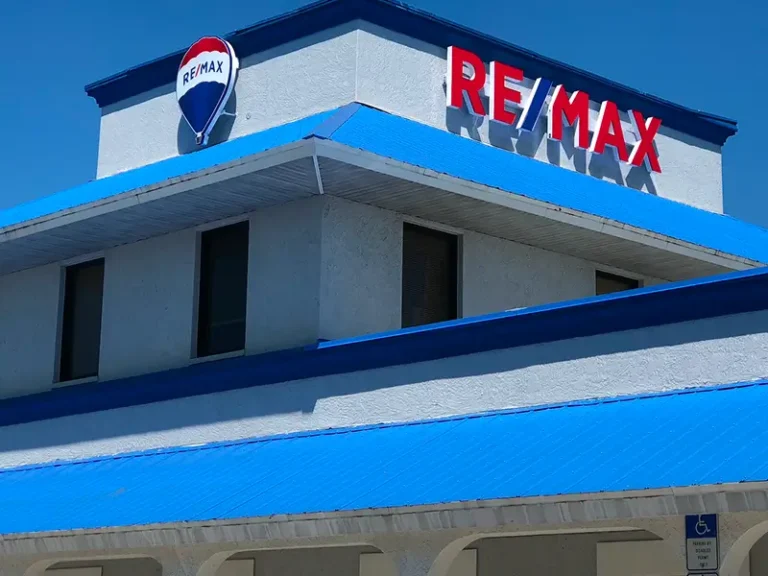
Your storefront sign is the first impression your business makes — and for most Florida business owners, channel letter signs are the gold standard. They’re bright, durable, fully customizable, and built to attract attention day and night.
But before you invest, you need to know what you’re buying. This guide covers everything: the different types of channel letters, what they cost in Florida, what permits you’ll need, and how to choose the right style for your brand.
What Are Channel Letter Signs?
Channel letter signs are three-dimensional, individually crafted letters or shapes mounted directly to a building’s facade or a raceway (a rectangular metal mounting structure). Each letter is a hollow metal “channel” — typically fabricated from aluminum — with a translucent acrylic face and an LED light source inside.
Unlike flat, printed signs, channel letters have real depth (usually 3 to 5 inches). That dimensional quality makes them legible from long distances, gives them a premium, polished look, and allows them to be illuminated from within for 24/7 visibility.
Channel letter signs are the most common commercial sign type in the United States. You’ll find them on retail storefronts, restaurants, medical offices, hotels, gyms, and auto dealerships — anywhere a business needs a highly visible, professional-looking exterior sign.
Key components of a channel letter sign:
- Return (sidewall): The aluminum sides of each letter, bent and welded to form the channel depth
- Face: Translucent acrylic panel in the color of your choice
- Back: Aluminum back panel or open back, depending on the sign type
- LED modules: Energy-efficient LED lighting strips or modules inside each letter
- Mounting: Either flush-mounted directly to the building or attached to an aluminum raceway
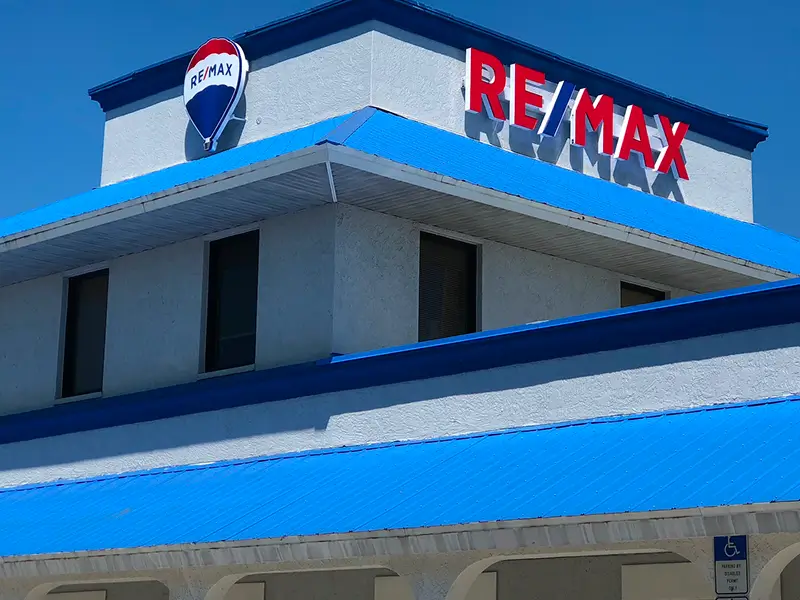
Front-Lit vs. Reverse-Lit vs. Halo-Lit: Which Looks Best?
Not all channel letters are built the same. The three primary illumination styles each create a different visual effect — and choosing between them often comes down to your brand identity and budget.
– $
| Feature | Front-Lit | Reverse-Lit (Backlit) | Halo-Lit |
|---|---|---|---|
| Light Direction | Shines forward through face | Shines backward onto wall | Glows behind letter onto wall |
| Visibility (Day) | High contrast, bold | Subtle, sophisticated | Subtle, elegant |
| Visibility (Night) | Bright and direct | Soft wall glow | Warm halo effect |
| Best For | Retail, fast food, high-traffic | Professional services, upscale brands | Hospitality, luxury, boutiques |
| Typical Cost | $ (lowest) | $$ (mid-range) | |
| Installation Complexity | Standard | Requires wall gap | Requires wall gap |
Front-Lit Channel Letters
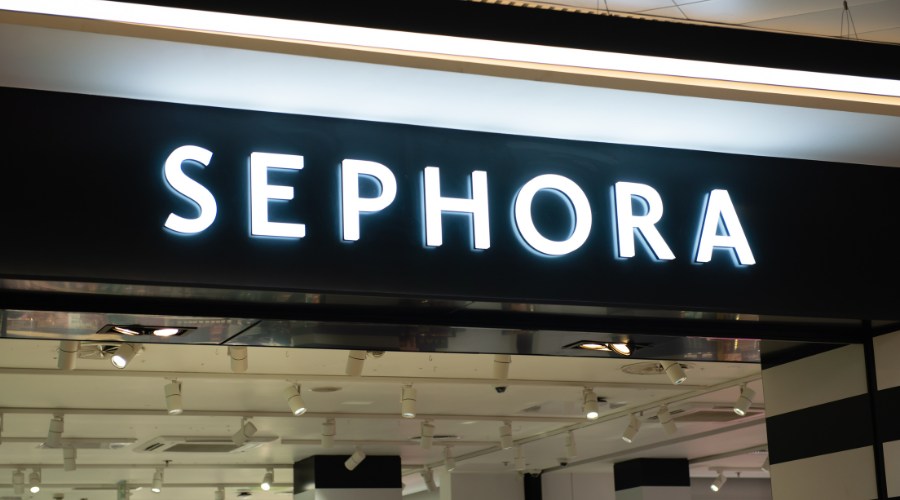
Front-lit (or “standard”) channel letters are the most widely used type. LED modules inside each letter shine light outward through the translucent acrylic face, making the letters themselves glow brightly. This is the most visible and cost-effective option, and it works well for virtually any business type.
Best choice for: Retailers, restaurants, convenience stores, and any business on a busy road where maximum visibility matters most.
Reverse-Lit (Backlit) Channel Letters
Also called reverse channel letters, these have an open back and a solid, opaque face. The LEDs are positioned to project light backward onto the building wall, creating a subtle illuminated silhouette around each letter. The effect is clean and architectural.
Best choice for: Law firms, financial services, medical practices, spas, and brands that want to communicate premium quality without bold brightness.
Halo-Lit Channel Letters
Halo-lit letters (sometimes called backlit or halo) combine an opaque front face with a gap between the letter and the wall, producing a glowing “halo” of light that radiates outward. The letters themselves remain unlit — only the surrounding glow is visible at night. This creates an upscale, moody look.
Best choice for: Hotels, restaurants with a fine-dining atmosphere, boutique retail, and any brand focused on a premium or luxury aesthetic.
Combination Channel Letters
Many sign shops — including Sign On — can combine illumination types within a single sign set. For example, front-lit letters paired with a halo-lit logo graphic. This is a popular option for brands that want visual complexity and dimension.
How Much Do Channel Letter Signs Cost in Florida?
Channel letter sign pricing varies based on several factors: letter size, total sign length, illumination type, mounting method, number of colors, and whether a permit is required. Here’s a realistic breakdown for Florida businesses in 2025.
| Sign Type | Estimated Cost Range (Installed) |
|---|---|
| Standard front-lit channel letters (10–15 ft) | $3,500 – $7,000 |
| Reverse-lit / halo-lit channel letters | $5,000 – $10,000+ |
| Raceway-mounted set (mid-size) | $4,000 – $8,500 |
| Flush-mounted (direct to wall) | $5,500 – $12,000+ |
| Large-format or complex logo sets | $10,000 – $25,000+ |
Ranges reflect typical Florida market pricing and include fabrication, LED components, installation, and standard electrical connection. Permit fees are additional.
What Drives the Cost Up?
Letter height and count: Taller letters require more aluminum, larger LED arrays, and more fabrication time. A 24-inch letter costs significantly more than a 10-inch letter.
Number of colors: Each color change typically requires a separate acrylic face or paint finish, adding to material and labor costs.
Mounting method: Flush (direct) mounting is more labor-intensive than raceway mounting and may involve structural wall work, especially on masonry or stucco — common in Florida construction.
Sign complexity: Logos, symbols, and non-standard letterforms take longer to fabricate than clean sans-serif fonts.
Electrical work: If your building doesn’t have an existing exterior electrical connection at the sign location, an electrician will need to run conduit — adding $300–$800 or more to the project.
Permit fees: Florida municipalities charge permit fees that vary widely (see the next section).
Cost-Saving Tips
- Choose a raceway mount over flush mount if budget is tight — it’s faster to install and easier to service
- Stick to a single illumination color; multi-color LED sets cost more
- Use a clean, bold font — ornate custom letterforms add fabrication time
- Bundle permits: if you’re already pulling a permit for another buildout, add the sign permit at the same time
Ready to get an accurate quote for your channel letters? Contact Sign On for a free on-site estimate — we serve businesses across Cape Coral, Fort Myers, and surrounding Southwest Florida communities.
Florida Permitting: What You Need Before Installation
In Florida, virtually all externally mounted illuminated signs require a permit before installation. This applies to channel letter signs in nearly every municipality, including Cape Coral, Fort Myers, Lee County, and Charlotte County.
Why Permits Matter
Unpermitted signs can be ordered removed by the local code enforcement authority — at your expense. They can also create liability issues during property sales or lease renewals. Working with a licensed sign company that handles permitting on your behalf is the safest and most efficient path.
What’s Typically Required
Building permit application: Filed with your local building department. Most Florida municipalities use an online portal, though some smaller jurisdictions still process paper applications.
Site plan / elevation drawing: A scaled drawing showing where the sign will be mounted on the building facade, including dimensions and setback distances. Your sign fabricator typically prepares this.
Electrical permit: Required separately in most Florida jurisdictions when the sign has an internal light source. Must be filed by a licensed electrical contractor.
Landlord authorization: If you’re in a leased commercial space, most permitting offices require written authorization from the property owner before issuing a sign permit.
Sign code compliance review: Many Florida cities and counties have strict sign codes governing maximum square footage, height limits, and illumination levels per facade. Cape Coral’s sign ordinance, for example, caps illuminated sign area based on building frontage length.
Timeline to Expect
Most Florida channel letter sign projects take 4–6 weeks from signed contract to installation:
- Design approval: 3–5 business days
- Permit application and review: 2–4 weeks (varies by municipality)
- Fabrication: 1–2 weeks after permit approval
- Installation: 1–2 days on-site
For reference, the Florida Building Code (available at floridabuilding.org) governs electrical and structural requirements for sign installations statewide, while local zoning ordinances control size, placement, and illumination rules.
Sign On handles the full permitting process for our customers — from drawing preparation to final inspection sign-off.
How Long Do Channel Letter Signs Last?
A well-fabricated channel letter sign installed by a licensed professional can last 10–15 years or longer in Florida conditions. Here’s what determines longevity:
LED Lifespan
Modern LED modules used in channel letter signs are rated for 50,000–100,000 hours of operation. At 12 hours of use per day, that’s 11–22 years before LEDs reach the end of their rated life. In practice, LEDs gradually dim over time rather than failing suddenly, so most signs are still operational at the 10-year mark — just slightly less bright.
Aluminum and Acrylic Durability
The aluminum channel itself is highly resistant to corrosion and UV degradation. Florida’s heat and humidity can accelerate acrylic fading if low-grade materials are used, which is why UV-stabilized acrylic — standard in quality fabrication shops — is essential for Southwest Florida installations.
What to Watch For
- Fading face panels: Acrylic can yellow or fade after 7–10 years in intense Florida sun. Face replacement is a cost-effective repair.
- LED module failure: Individual modules can be replaced without replacing the entire sign.
- Caulking and seals: Florida’s heavy rain seasons can drive water into poorly sealed signs. Annual inspections of caulking and mounting hardware are recommended.
- Hurricane preparation: Channel letters mounted on raceways can be unbolted and stored before major storms. Flush-mounted letters should be inspected after any significant wind event for structural movement.
Maintenance Schedule
| Interval | Task |
|---|---|
| Annually | Inspect caulking, mounting hardware, and electrical connections |
| Every 2–3 years | Clean acrylic faces; check LED module condition |
| Every 7–10 years | Consider face panel replacement if fading is visible |
| As needed | Replace failed LED modules (typically under warranty for 5 years) |
FAQ: Channel Letters for Florida Businesses
Q: Do I need a permit for channel letter signs in Cape Coral or Fort Myers?
Yes. Both Cape Coral and Fort Myers require building and electrical permits for illuminated exterior signs. Sign On handles permit preparation and filing as part of our full-service installation process. Fees vary by sign size and municipality — typically $150–$600 for most mid-size commercial signs.
Q: What’s the difference between raceway-mounted and flush-mounted channel letters?
Raceway-mounted letters are attached to an aluminum mounting bar (the raceway), which is then mounted to the wall as a single unit. Flush-mounted letters are individually attached directly to the wall surface. Flush mounting has a cleaner, more premium look but costs more and takes longer to install. Raceway mounting is faster, more affordable, and easier to service.
Q: Can channel letter signs be installed on any building surface?
Channel letters can be mounted on most exterior surfaces including stucco, concrete block, metal panel, brick, and EIFS (exterior insulation and finish systems). Installation methods and hardware vary by surface type. Stucco — very common in Southwest Florida — requires specific anchoring to avoid water intrusion, which Sign On’s installers are well-versed in.
Q: How do LED channel letters hold up in Florida’s heat and humidity?
Modern LED channel letter systems are designed for outdoor use and handle Florida conditions well. Heat can reduce LED lifespan slightly compared to cooler climates, but quality commercial-grade LEDs rated for outdoor use perform reliably for 10+ years even in Southwest Florida’s environment.
Q: What font or letter style works best for channel letter signs?
Bold, clean fonts with consistent stroke widths are easiest to fabricate and most legible at a distance. Sans-serif faces like Helvetica, Futura, and custom brand fonts work well. Very thin letterforms or elaborate scripts can be fabricated but cost more and may have less structural rigidity. Our design team at Sign On will advise on letter height and font selection based on your viewing distance and sign location.
Q: Can I use channel letters on a monument sign or pylon sign?
Yes. Channel letters are commonly used on monument signs and can be mounted on cabinet-style pylons with appropriate structural backing. These are considered different sign permit categories in most Florida municipalities, so requirements differ from building-mounted signs.
Q: How much electricity do LED channel letter signs use?
LED channel letter signs are energy-efficient. A typical 15-foot set of front-lit channel letters uses approximately 150–300 watts — roughly equivalent to two or three incandescent light bulbs. Monthly energy costs are typically $10–$25, depending on operating hours.
Ready to Move Forward?
Channel letter signs are one of the most effective long-term investments a Florida business can make in its visibility and brand presence. The right sign, properly permitted and installed, works for you every hour the lights are on.
Sign On is Cape Coral’s full-service sign shop, specializing in custom channel letter fabrication, permitting, and installation throughout Southwest Florida. View our channel letter sign gallery to see examples of our work, or get a channel letter quote — we offer free on-site estimates with no obligation.
We’re proud to be serving Cape Coral and Fort Myers and the surrounding Southwest Florida communities.