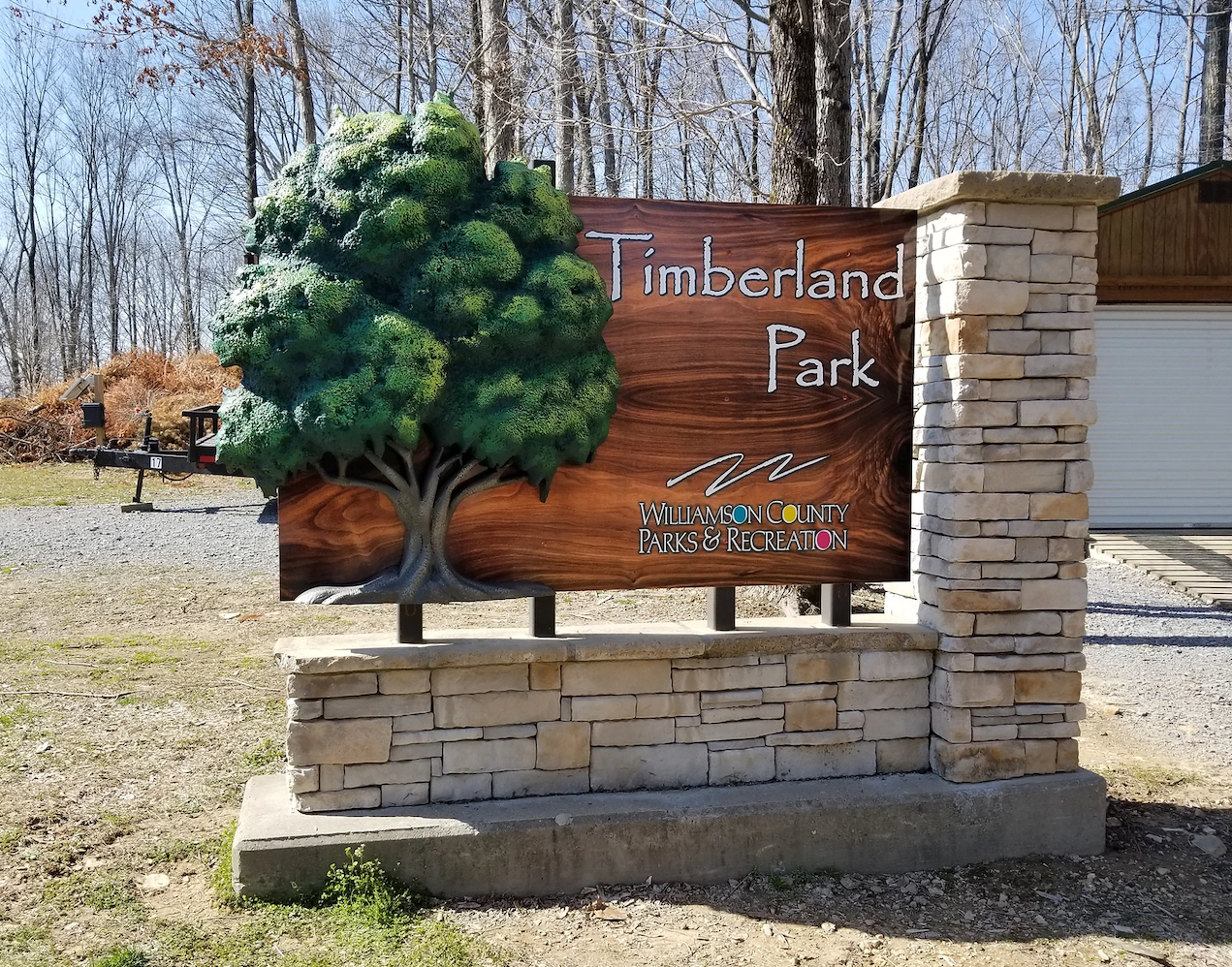

Choosing the wrong sign type can cost you visibility, permit approvals, and thousands of dollars. Channel letters, cabinet signs, and dimensional letters each dominate in different scenarios — and the right pick depends on your brand, budget, building, and local Florida permitting rules. This guide breaks all three down side by side so you can make the right call before you spend a dollar.
Key Takeaways
- Channel letters are the gold standard for individual-letter illuminated signage — premium visual impact, full brand color control, and strong night visibility.
- Cabinet (lightbox) signs offer the largest illuminated face area at the lowest cost-per-square-foot — ideal for franchises and high-volume retail.
- Dimensional letters create upscale, tactile depth without requiring electrical — perfect for lobbies, medical offices, and premium storefronts.
- Florida’s permitting rules differ by municipality; illuminated signs require electrical permits while non-illuminated dimensional letters often need only a sign permit.
- Most businesses in the $50K–$500K revenue range land on channel letters or dimensional letters; high-traffic retail and QSR franchises almost always choose cabinet signs.
Quick Comparison Table
| Feature | Channel Letters | Cabinet Signs | Dimensional Letters |
| Illumination | LED-lit (front, back, or both) | Full-face LED or fluorescent | Optional (non-lit or halo-lit) |
| Visual style | Individual letters, open look | Solid box, graphic-rich face | 3D depth, shadow play |
| Typical cost range | $3,000 – $12,000+ | $1,500 – $8,000 | $800 – $6,000 |
| Night visibility | Excellent | Excellent | Moderate (non-lit) / Good (halo) |
| Brand customization | Very high | High (full-color face) | Very high (material/finish) |
| Florida permit complexity | Medium (electrical + sign) | Medium (electrical + sign) | Low–Medium (sign only if non-lit) |
| Best use case | Retail, restaurant, service | Franchise, big-box, QSR | Medical, law, hotel, lobby |
| Lifespan | 10–15 years | 8–12 years | 10–20 years |
| Maintenance | Low (LED modules) | Moderate (face replacement) | Very low |
What Are Channel Letters?
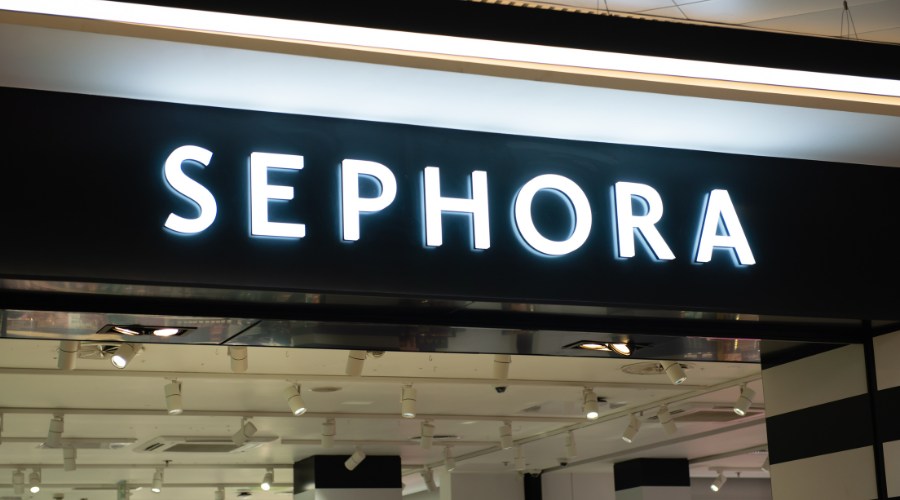
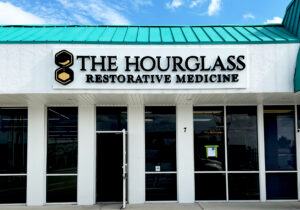
Channel letters are individually fabricated three-dimensional aluminum letters, each housing its own LED lighting system. Unlike a flat sign, every letter stands as its own structure — giving storefronts a clean, open look that cabinet signs can’t replicate.
Custom channel letter signs are the most widely specified commercial sign type in Florida because they scale from a 10-foot nail salon to a 60-foot anchor tenant strip mall sign with equal visual authority.
Front-Lit Channel Letters
The most common variant. The face of each letter is made from translucent acrylic in any Pantone color, illuminated from the inside by LEDs. Light projects forward, making the brand color glow at night. Works on virtually any building type.
Back-Lit (Halo-Lit) Channel Letters
Letters mount away from the wall on standoffs. LEDs shine backward, creating a halo of light around each letter against the building surface. The result is a premium, almost cinematic look — a favorite for hotels, upscale restaurants, and financial services firms.
Open-Face Channel Letters
The acrylic face is removed entirely, leaving exposed neon or LED filament. The raw-light look is popular with entertainment venues, vintage-aesthetic brands, and breweries chasing a retro feel. Requires more weatherproofing in Florida’s humidity and storm conditions.
Best for: Retail storefronts, restaurants, service businesses, medical practices, and any brand that prioritizes night visibility and individual letter clarity.
What Are Cabinet (Lightbox) Signs?
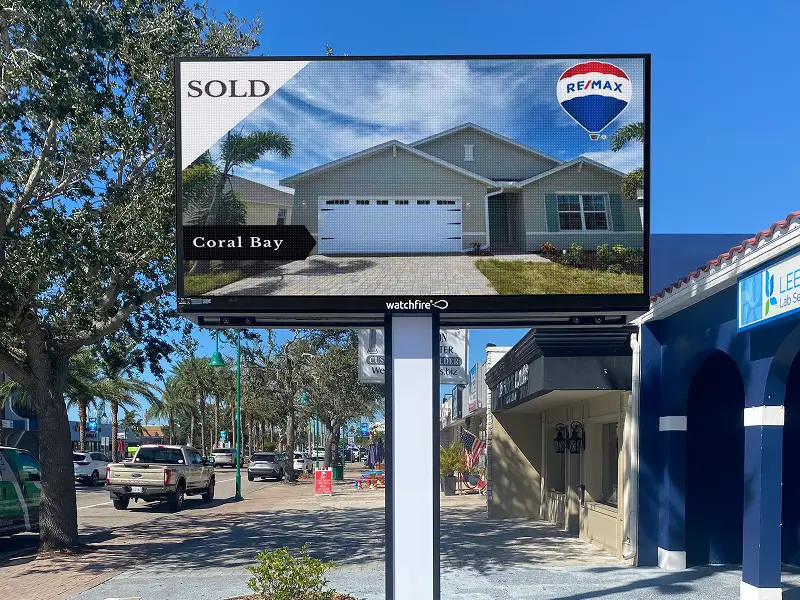
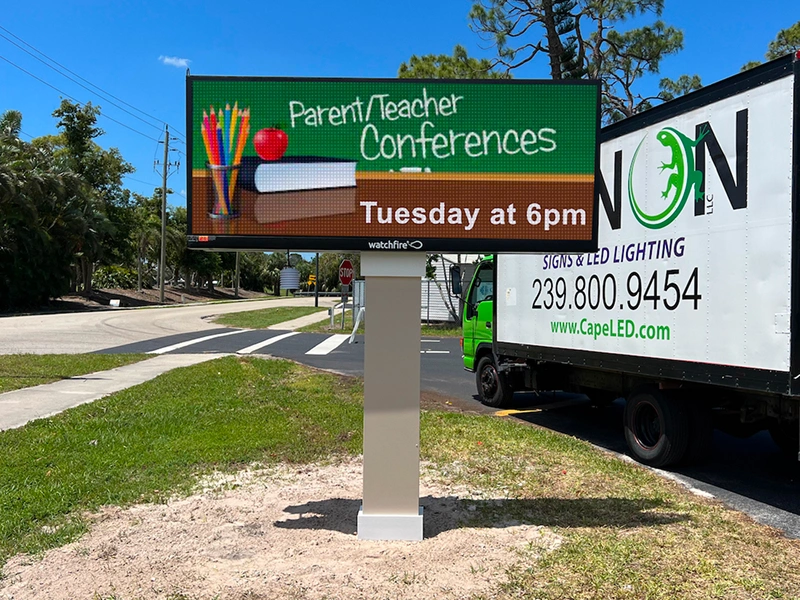
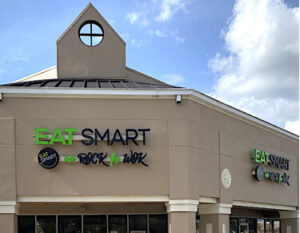
A cabinet sign — also called a lightbox sign — is a rectangular or custom-shaped box housing a full-color graphic face lit from behind by LEDs or fluorescent lamps. The graphic face can carry photography, complex logos, taglines, and full-bleed color in ways that individual letters cannot.
Cabinet lightbox signs are the workhorse of franchise signage. When you need 40 square feet of illuminated brand real estate at the lowest installed cost, no other sign type competes.
Cabinet signs come in two primary face configurations:
- Single-sided: Mounts flush to a wall or fascia; one viewable face.
- Double-sided (pylon or monument): Suspended from a pole or monument structure; readable from both directions — the standard for gas stations, fast food, and shopping center pylons.
Face materials range from translucent vinyl-wrapped aluminum (most affordable) to polycarbonate and push-through acrylic for premium depth and brightness.
Best for: QSR franchises, gas stations, big-box retail, grocery stores, shopping center pylons, and any location where graphic complexity or large face area matters more than individual letter definition.
What Are Dimensional / 3D Letters?
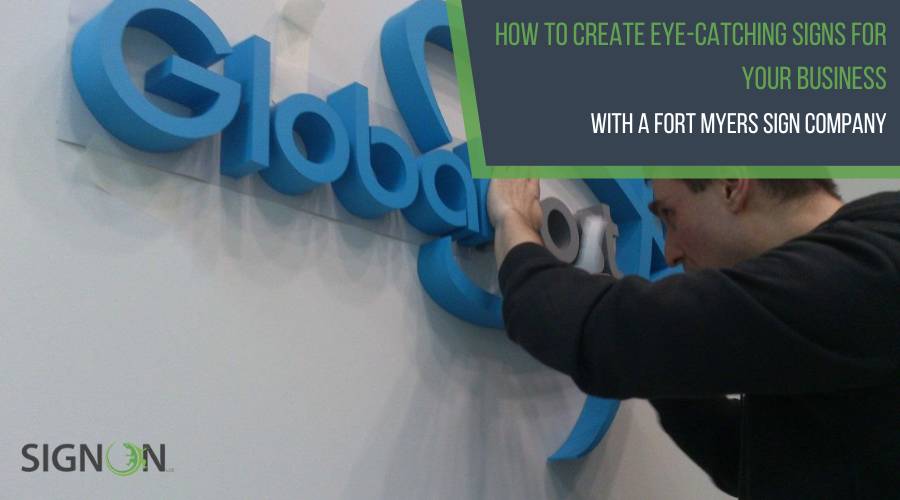
Dimensional letters are solid, raised letters cut or fabricated from materials like HDU foam, PVC, aluminum, acrylic, or stainless steel — then painted, plated, or powder-coated to any finish. Unlike channel letters, they are not hollow and don’t inherently require a light source.
Dimensional letter signs are chosen for their material richness. Brushed aluminum letters on a dark stone facade communicate something fundamentally different from a glowing cabinet sign — they signal permanence, quality, and investment.
Illuminated variants do exist: LED halo lighting can be added by mounting letters on standoffs, and some dimensional letters are fabricated with internal channels for push-through lighting effects. The push-thru signs category sits adjacent, using raised acrylic letters pressed through a cabinet face for combined depth and brightness.
Dimensional letters are often the only signage option approved for Class A office buildings and historic districts, where cabinets and channel letters are prohibited by lease or local ordinance.
Best for: Medical and legal offices, hotels, financial institutions, corporate headquarters, luxury retail, and interior lobby signage where tactile quality and material prestige matter.
Cost Comparison
Costs vary significantly by letter height, quantity, material, installation complexity, and whether electrical work is required. The ranges below reflect typical Florida commercial installations in 2026.
Channel Letters
- Small retail (under 20 ft): $3,000 – $5,500 installed
- Mid-size storefront (20–40 ft): $5,500 – $9,000 installed
- Large format or complex logos: $9,000 – $15,000+
- Primary cost drivers: letter height, return depth, acrylic color, electrical conduit run
Cabinet Signs
- Single-face wall cabinet: $1,500 – $4,500 installed
- Double-face pylon or monument: $4,000 – $10,000+ installed
- Large mall/anchor tenant cabinets: $8,000 – $20,000+
- Primary cost drivers: cabinet dimensions, face material, pylon fabrication, footing/foundation work
Dimensional Letters
- Standard painted HDU or PVC: $800 – $2,500 installed
- Premium aluminum or acrylic with standoffs: $2,500 – $6,000 installed
- Illuminated halo variant: $4,000 – $9,000 installed
- Primary cost drivers: material, letter count, standoff mounting, finish complexity
Long-term cost note: LED-lit channel letters and cabinets have 50,000+ hour LED lifespans, translating to roughly 10–12 years before module replacement. Dimensional letters with no electrical components have near-zero maintenance costs over decades — a meaningful factor for businesses projecting 10+ year leases.
Visual Impact & Brand Perception
The sign type you choose communicates brand positioning before a customer reads a single word.
Channel letters
signal professionalism and permanence. The open, individual-letter look reads as established and trusted — which is why the majority of national banks, healthcare networks, and established retailers specify them. The ability to precisely match Pantone brand colors in the acrylic face makes them the most brand-accurate illuminated option. Research covered in why channel letters boost business growth in FL links illuminated letter signage directly to foot traffic increases.
Cabinet signs
communicate accessibility and value. A full-color lightbox invites the eye with imagery — a burger, a logo mark, a promotional message. For brands where recognizability and wayfinding matter more than prestige perception (fast food, fuel, grocery), a cabinet dominates. The trade-off: at close range, a printed face lacks the dimension and craftsmanship read of individual letters.
Dimensional letters
communicate quality and exclusivity. The interplay of shadow, depth, and material texture creates a luxury cue that neither illuminated channel letters nor cabinets replicate in daylight hours. At night, non-lit dimensional letters go largely dark — a meaningful limitation for businesses that rely on evening foot traffic. Halo-lit dimensional variants close this gap but add cost.
Permitting Differences in Florida
Florida sign permitting operates at the county and municipal level, meaning a sign legal in Broward County may require a variance in Miami-Dade. That said, consistent patterns apply across most jurisdictions.
Channel letters
require two permit types: a sign permit (governed by local sign ordinances covering size, height, and setback) and an electrical permit (because every letter is a powered device). Inspections are required for both the structural attachment and the electrical connection. Plan for 2–6 weeks in most Florida municipalities.
Cabinet signs on pylons
add a third layer: a structural/foundation permit for pole installation. Engineering drawings stamped by a Florida-licensed PE (Professional Engineer) are typically required for any pylon over 6 feet. Total permitting timelines for new pylon installations can run 4–10 weeks. Wall-mounted cabinets generally follow the same two-permit process as channel letters.
Dimensional letters
are the simplest to permit when non-illuminated. A standard sign permit is usually sufficient — no electrical inspection required. This makes them especially attractive in municipalities with long electrical permit queues or for tenants in multi-tenant buildings where the landlord controls electrical access. Halo-lit dimensional variants add the electrical permit back into the process.
Florida’s coastal counties also apply wind load requirements (derived from ASCE 7 standards) to all attached signage. Larger channel letter sets and cabinets in Miami-Dade, Broward, and Palm Beach counties must demonstrate wind resistance in their permit drawings — another reason to work with a Florida-based fabricator familiar with local AHJ (Authority Having Jurisdiction) requirements.
For a deeper look at visibility and compliance, see why illuminated signs increase night visibility.
Which Type Suits Your Industry?
Retail (Boutique, Apparel, Specialty)
Channel letters are the default choice — they allow exact brand color matching, read cleanly in strip centers, and hold up under Florida’s UV exposure better than cabinet vinyl faces. Dimensional letters work exceptionally well for upscale boutiques seeking a flagship aesthetic.
Restaurant & Food Service
Full-service restaurants lean toward halo-lit channel letters or dimensional letters for ambiance. QSR (quick service restaurant) and franchise operations almost universally specify cabinet lightbox signs because corporate brand standards are baked into full-color face graphics that individual letters cannot reproduce efficiently.
Medical & Professional Services
Dimensional letters dominate for medical offices, dental practices, law firms, and financial advisors. The material quality signals trustworthiness. Non-illuminated dimensional letters are also easier to approve in professional office parks with restrictive sign criteria. For practices in strip centers needing evening visibility, front-lit channel letters are the practical alternative.
Automotive (Dealerships, Service Centers)
Large-format cabinet signs on pylons are the standard for high-traffic automotive retail — they’re visible from 500+ feet at highway speeds in a way that individual channel letters are not. Service bays and secondary building signs often use channel letters to indicate department names.
How to Decide — A 5-Question Test
Work through these questions to identify your sign type in under two minutes.
1. Do you need illumination at night?
- Yes → Channel letters or cabinet sign (dimensional letters will go dark)
- No, or interior/lobby use → Dimensional letters
2. Does your brand include photography, complex graphics, or a multi-color logo that cannot be reproduced as individual letters?
- Yes → Cabinet sign
- No → Channel letters or dimensional letters
3. Is your building in a historic district, Class A office park, or under a restrictive sign criteria agreement?
- Yes → Dimensional letters (often the only type approved)
- No → All three are viable
4. What is your installed budget?
- Under $2,500 → Dimensional letters (non-lit) or small cabinet
- $2,500 – $5,000 → Channel letters (small-medium) or cabinet
- $5,000+ → Any type, including premium halo-lit channel or dimensional
5. Is your location a highway-visible pylon, monument, or multi-tenant directory?
- Yes → Cabinet sign (pylon format)
- No, building-mounted → Channel letters or dimensional letters
Decision Summary:
- Answered “No” to graphics, “Yes” to night visibility → Channel letters
- Answered “Yes” to complex graphics or pylon format → Cabinet sign
Answered “Yes” to restricted district or premium/interior use → Dimensional letters
Conclusion
Choosing between channel letters, cabinet signs, and dimensional letters comes down to one thing: matching the sign to your business goals, location, visibility needs, and permitting requirements.
If you want premium nighttime visibility with strong brand presence, channel letters are usually the best investment. If your priority is maximum visibility at the most cost-effective price — especially for franchises, pylons, or high-traffic retail — cabinet signs deliver unmatched impact. And if your business depends on professionalism, elegance, or architectural integration, dimensional letters offer a timeless, upscale appearance that works beautifully for offices, medical practices, hotels, and interior branding.
Florida signage regulations, landlord criteria, wind-load requirements, and electrical permitting can quickly complicate the process, which is why working with an experienced Florida sign company matters. The right sign should not only look great — it should also comply with local codes, withstand Florida weather, and support your brand for years to come.
Whether you’re opening a new storefront, replacing outdated signage, or planning a multi-location rollout, investing in the correct sign type from the start can save you costly redesigns, permit delays, and visibility problems later.
Ready to find the best sign solution for your business?
The team at Signs & LEDs helps Florida businesses design, fabricate, permit, and install custom channel letters, cabinet signs, dimensional letters, monument signs, and illuminated storefront signage built for long-term performance and visibility.
From landlord approvals and municipal permitting to fabrication and installation, we handle the entire process so you can focus on running your business. Call us today for a consultation and custom quote
Frequently Asked Questions
Q: Are channel letters more expensive than cabinet signs?
Not always. A mid-size channel letter set and a comparably sized cabinet sign often land within 10–20% of each other on installed cost. Cabinet signs become significantly cheaper at large face areas (over 40 sq ft) because the cost-per-square-foot drops faster than fabricating many individual letters. Channel letters are typically more expensive when letter count is high or when return depth and acrylic colors are complex.
Q: Can I use dimensional letters outside?
Yes. Exterior-grade dimensional letters are fabricated from weatherproof materials — aluminum, HDU foam sealed with exterior primer and paint, or UV-stabilized PVC. In Florida, UV resistance and corrosion resistance (especially near the coast) are critical spec factors. Make sure your fabricator uses marine-grade fasteners and exterior-rated finishes.
Q: Do channel letters and cabinet signs require the same permits in Florida?
Both require a sign permit and an electrical permit. Cabinet signs on pylons add a structural/foundation permit. Non-lit dimensional letters usually need only a sign permit. Always confirm with your local AHJ, as requirements vary by municipality and sign size.
Q: Which sign type lasts longest?
Non-illuminated dimensional letters made from aluminum or stainless steel have the longest effective lifespan — 20+ years with minimal maintenance. Illuminated channel letters and cabinet signs using LEDs typically last 10–15 years before components need attention. Cabinet vinyl faces in Florida’s sun often need replacement every 5–8 years due to UV fading.
Q: Can I have channel letters on one sign and a cabinet on another at the same location?
Yes, and it’s common. A pylon cabinet sign provides highway visibility while building-mounted channel letters identify the storefront at eye level. The two types are complementary, not mutually exclusive, and many Florida commercial properties use both.
Q: What’s the difference between push-thru letters and channel letters?
Channel letters are fully fabricated individual letter structures mounted directly to a building. Push-thru letters are raised acrylic characters pressed through cutouts in a cabinet face — a hybrid that gives dimensional depth within a cabinet format. Push-thru signs work well when a brand needs both a graphic background and letter depth. Learn more about push-thru signs.
Ready to compare options for your specific storefront? The team at Signs & LEDs works across Florida municipalities and can navigate local permitting, landlord sign criteria, and brand standards to spec the right sign type for your location.